
For many people, the legal system can feel confusing and intimidating. Whether someone is dealing with a personal injury case, divorce, criminal charge, or business dispute, understanding the legal process can reduce stress and help them feel more prepared. While every case is different, most legal matters follow a similar path from the first consultation with an attorney to the final courtroom decision.
Initial Consultation
The legal process usually begins with an initial consultation between the client and the attorney. During this meeting, the lawyer gathers information about the case, reviews relevant documents, and explains possible legal options. Clients should be honest and provide as many details as possible so the attorney can properly evaluate the situation. This stage also allows the client to ask questions about fees, timelines, and legal strategies.
Investigation and Case Evaluation
After accepting the case, the attorney begins investigating the matter in detail. This may involve collecting evidence, reviewing contracts or medical records, interviewing witnesses, and researching laws related to the case. In criminal or civil matters, attorneys often work to identify strengths and weaknesses before proceeding further. A thorough investigation helps build a stronger legal argument.
Filing Legal Documents
Once the attorney has enough information, formal legal documents are prepared and filed with the court. In civil cases, this may include complaints or petitions. In criminal defense cases, attorneys may file motions challenging evidence or requesting specific legal actions. Filing paperwork correctly and on time is essential because missed deadlines can negatively affect the case.
Negotiation and Settlement
Many legal disputes are resolved before reaching trial. Attorneys often negotiate with the opposing party to reach a settlement agreement. In personal injury or business disputes, settlements may save time, money, and emotional stress for everyone involved. Family law cases may also involve mediation to help parties reach agreements regarding custody or property division.
Discovery Phase
If the case continues, both sides enter the discovery process. During discovery, each side exchanges information and evidence related to the case. This can include written questions, requests for documents, and depositions where witnesses provide sworn testimony. Discovery allows both parties to better understand the facts and prepare for trial.
Court Hearings and Trial
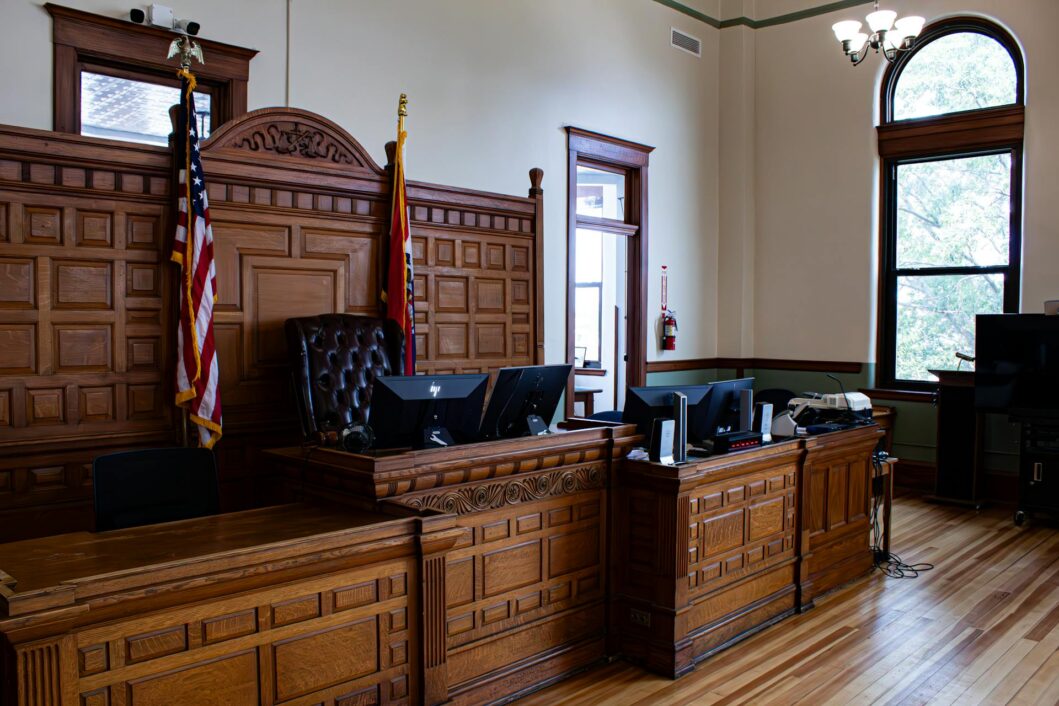
When a settlement cannot be reached, the case proceeds to court. During the trial, attorneys present evidence, question witnesses, and make legal arguments before a judge or jury. Each side has the opportunity to explain its position. The judge or jury then reviews the evidence and makes a final decision based on the law.
Final Judgment and Appeals
After the trial, the court issues a judgment. Depending on the outcome, one party may choose to appeal the decision if they believe legal errors occurred during the case. Appeals involve reviewing the legal process rather than retrying the entire case.
Conclusion
The legal process can seem overwhelming, but understanding its main stages helps clients feel more confident and informed. From the first consultation to courtroom proceedings, each step plays an important role in protecting legal rights and achieving a fair outcome. Working with an experienced attorney can provide guidance, support, and professional representation throughout the entire process.
About the Author
